Our Services - Best Robotic Surgery clinic in Kharadi,Pune
Robotic gynaecological surgery uses the da Vinci robotic system to perform complex procedures with enhanced precision, magnification, and control. Dr. Shitole's certification from World Laparoscopy Hospital and Amrita Institute enables advanced treatment with faster recovery.

Understanding Robotic Gynaecological Surgery
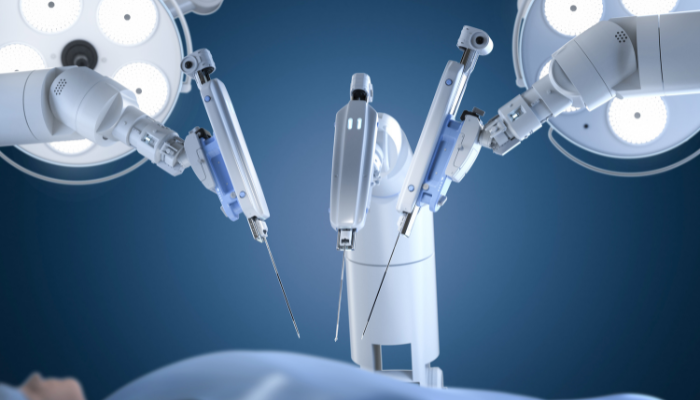
Robotic gynaecological surgery represents the latest evolution in minimally invasive surgery, combining the benefits of laparoscopy with enhanced precision and control. The most widely used system worldwide is the da Vinci Surgical System, which consists of a surgeon's console, a patient-side cart with robotic arms, and a high-definition camera system. At the console, Dr. Rajendra Shitole sits comfortably with three-dimensional visualization of the surgical field at 10x magnification, providing clarity impossible with standard laparoscopy.
His hand movements are translated by the robotic arms into precise movements at the surgical site, with tremor-filtering software eliminating any natural hand tremor. The robotic arms have a range of motion exceeding human wrist capability, reaching angles and positions difficult or impossible to achieve with traditional laparoscopy. This combination of magnification, precision, and range of motion makes robotic surgery particularly valuable for complex procedures in the confined space of the pelvis.
For women in Pune and Kharadi, robotic surgery represents access to the most advanced surgical technology available, performed by a surgeon with specific certification and training in this specialized field. Unlike general laparoscopy training, robotic surgery certification requires dedicated courses and extensive practice to master the unique interface and capabilities of the system.
How Robotic Surgery Works in Gynaecological Cases
The robotic surgery process begins with patient positioning and anesthesia, similar to laparoscopic procedures. Once anesthesia is achieved, the surgical team prepares the patient and the da Vinci cart is positioned at the bedside. The robotic arms are docked, with the camera arm positioned between the patient's legs and the two instrument arms positioned laterally.
The surgeon's movements at the console are real-time translated to instrument movements at the surgical site. Foot pedals control additional functions like camera focus, energy source activation (cautery), and instrument changes. Communication between the surgical team and Dr. Shitole continues throughout the procedure. The advantage of this system becomes apparent in complex anatomy - tissue can be manipulated with precision that minimizes bleeding, protects surrounding structures, and allows meticulous closure.
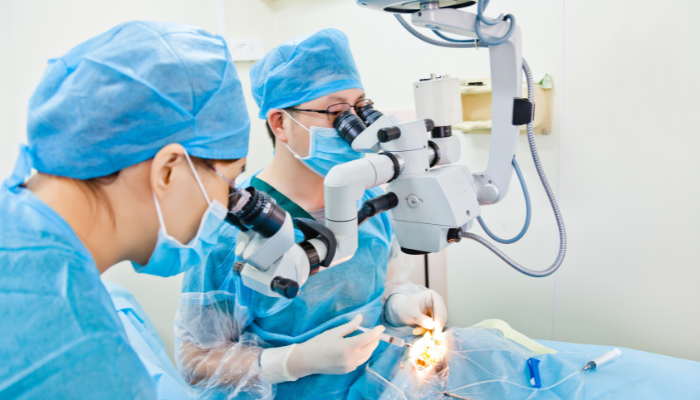
Once the procedure is complete, the robotic arms are undocked, instruments and camera are removed, and incisions are closed. The entire process provides the benefits of minimally invasive surgery with superior precision compared to standard laparoscopy.
Advantages of Robotic Surgery Over Traditional Laparoscopy
While traditional laparoscopy is already minimally invasive and effective, robotic surgery offers specific advantages particularly for complex cases that women in Pune benefit from. Superior visualization is the first advantage - the three-dimensional magnified view (10x magnification in high-definition) far exceeds what the human eye can see through a traditional laparoscope. This clarity helps identify fine tissue planes, bleeders, and anatomical structures that might otherwise be missed.
Enhanced precision is another major benefit - the elimination of tremor and the expanded range of motion allow maneuvers that are technically impossible with standard laparoscopy. Suturing and knotting, particularly challenging during laparoscopy, become straightforward with the robotic system. This is particularly important when reconstructive surgery is needed. Reduced blood loss results from the precision and improved visualization, allowing surgeons to work in relatively bloodless fields even with heavily scarred anatomy.
Reduced operative time, despite the time needed for docking the robot, often occurs in complex cases where the precision reduces complications and repeated maneuvers. Improved outcomes in complex cases - particularly multi-organ involvement or heavily scarred anatomy - benefit from robotic precision. Reduced post-operative pain might result from the careful tissue handling enabled by the system.
However, it's important to note that for straightforward cases, standard laparoscopy and robotic surgery have similar outcomes; the robotic system is particularly valuable for complex surgery. Dr. Shitole's certification from both World Laparoscopy Hospital in Gurgaon and Amrita Institute of Medical Sciences in Cochin ensures he can assess which cases benefit most from robotic approach.
Complex Conditions Treated with Robotic Surgery
Robotic surgery is particularly valuable for complex gynaecological conditions that benefit from enhanced precision. Densely adherent endometriosis with involvement of multiple pelvic organs is an ideal indication - the precision of robotic surgery minimizes injury to bowel, bladder, and other pelvic structures while completely excising disease. Cases with dense pelvic adhesions from previous surgery, severe infections, or repeated endometriosis recurrence benefit from the superior visualization and delicate tissue handling robotic surgery provides.
Large or complex fibroids, particularly those in difficult anatomical locations requiring reconstruction of the uterus or adjacent structures, are safely managed. Endometriosis involving the bowel (rectosigmoid, small intestine) requires careful robotic assistance to identify proper tissue planes and achieve safe resection while preserving bowel function. Adenomyosis with heavy bleeding or structural uterine distortion sometimes requires hysterectomy, and robotic hysterectomy provides optimal outcomes with minimal bleeding and tissue trauma.
Ovarian remnant syndrome or residual ovary syndrome - retained ovarian tissue causing pain - can be precisely identified and removed with robotic assistance. Recurrent ectopic pregnancy requiring tubal reconstruction, complex tubal pathology from infections like PID, and salvage procedures for failed conventional surgery all benefit from robotic precision. In the Pune and Pune region, women with complex, recurrent, or previously failed treatments find robotic surgery offers hope for successful outcomes.
Dr. Shitole's expertise in identifying cases that truly benefit from robotic technology versus those adequately managed with standard laparoscopy reflects his comprehensive surgical experience.
Dr. Shitole's Robotic Surgery Certification and Training
Dr. Rajendra Shitole's qualifications in robotic surgery represent comprehensive training in this specialized field, beyond basic laparoscopic training. His certification in robotic surgery from World Laparoscopy Hospital in Gurgaon - an institution recognized globally for surgical excellence and training - provides formal credentialing in da Vinci system operation and application. Recognizing that robotic surgery requires fundamentally different hand-eye coordination compared to standard laparoscopy, Dr. Shitole undertook dedicated training to master this interface. His additional certification from Amrita Institute of Medical Sciences in Cochin, another premier institution, reflects his commitment to achieving excellence in this advanced field.
These certifications build upon his extensive laparoscopic experience - he didn't approach robotic surgery as a novice but as an experienced minimal access surgeon adding a powerful tool to his surgical armamentarium. His 11 years of clinical experience, combined with specific robotic training and certification, positions him as one of the few gynaecologists in Pune with formal credentials in this advanced technology.
This training goes beyond simply operating the machine - it involves understanding when robotic surgery is indicated versus when standard laparoscopy is sufficient, how to optimize patient selection, and how to manage complications specific to robotic surgery. For women in Khardi and nearby area seeking robotic surgery, Dr. Shitole's credentials provide confidence that you're working with a surgeon who has dedicated training and certification in this specialized field.
Patient Outcomes and Recovery After Robotic Surgery
Patient outcomes after robotic gynaecological surgery are excellent, with recovery similar to or slightly faster than standard laparoscopy despite the initial concern that robot use might increase operative time. Studies consistently demonstrate that robotic-assisted procedures result in reduced blood loss, fewer intra-operative complications, and comparable or shorter operative times compared to traditional laparoscopy in experienced hands. Complication rates are exceptionally low - major complications occur in less than 1% of cases, and most complications are minor and easily managed.
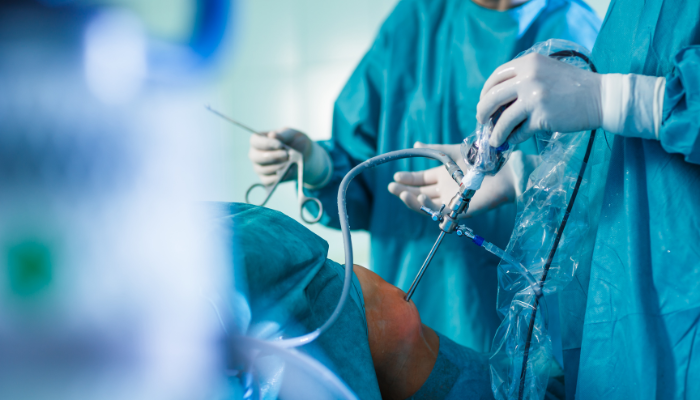
Post-operative pain is often less severe than standard laparoscopy due to careful tissue handling, meaning most patients manage discomfort with minimal medication. Return to normal activities occurs on a similar timeline as laparoscopy - light activities by week 1, return to work by week 2-3, and full activity including exercise by week 4. Sexual function typically returns to normal within 4-6 weeks depending on the procedure performed. Most importantly, for complex cases like severe endometriosis or densely adhered anatomy, robotic surgery provides superior outcomes - more complete disease removal, reduced risk of complications, and improved long-term pain relief compared to standard laparoscopy.
Women with recurrent disease or failed prior treatments report better outcomes with robotic approach. For fertility-related procedures, the precise reconstruction enabled by robotic surgery improves pregnancy outcomes compared to standard laparoscopy. At IRSA FERTILITY- IVF & ENDOSCOPY CLINIC, post-operative care is comprehensive, with clear discharge instructions, pain management protocols, and access to Dr. Shitole for any questions during recovery. The investment in robotic surgery often provides worth not just in immediate outcomes but in long-term quality of life.
IRSA FERTILITY- IVF & ENDOSCOPY CLINIC's Robotic Surgery Infrastructure
IRSA FERTILITY- IVF & ENDOSCOPY CLINIC provides a state-of-the-art environment for robotic gynaecological surgery, with infrastructure supporting safe, high-quality procedures. The operating rooms are equipped with the da Vinci Surgical System - the gold standard in robotic surgery worldwide - maintained to manufacturer specifications with regular service and upgrades. The operating room design accommodates the robotic cart, all necessary support equipment, and the surgical team with optimal workflow and safety considerations.
High-definition imaging systems provide the three-dimensional visualization essential to robotic surgery, with backup systems ensuring patient safety if primary systems fail. Anesthesia setup for robotic surgery involves specialized positioning and monitoring, and IRSA FERTILITY- IVF & ENDOSCOPY CLINIC's anesthesia team has extensive experience with the unique demands of robotic cases. The hospital's sterilization protocols meet the highest standards, critical for minimally invasive surgery where infection risk must be absolutely minimized. Support services including laboratory, imaging, blood bank, and intensive care are immediately available if needed.
The operating room layout allows family members to observe the procedure if desired, enabling them to understand the surgical approach and care being provided. Recovery rooms adjacent to the operating theatres provide immediate post-operative monitoring with experienced nursing staff trained in post-robotic recovery management. The combination of advanced equipment, experienced personnel, and comprehensive support infrastructure makes IRSA FERTILITY- IVF & ENDOSCOPY CLINICan excellent choice for robotic gynaecological surgery in the Pune region.