In-Vitro Fertilization - Best IVF Consultant in Pune
IVF (in vitro fertilization) at Dr. Rajendra Shitole's clinic in Pune involves controlled ovarian stimulation, egg retrieval, laboratory fertilization, and embryo transfer. Success rates vary by age, with comprehensive support available throughout the process.

IVF Treatment in Pune – High Success Rate IVF Centre in Kharadi,Pune
In vitro fertilization, or IVF, is one of the most effective fertility treatments available today. Since the first successful IVF birth in 1978, over 12 million babies have been born using IVF worldwide. For many couples, particularly those with tubal factor infertility, severe endometriosis, male factor infertility, or unexplained infertility, IVF offers the best chance of achieving pregnancy.
At Dr. Rajendra Shitole's clinic in Kharadi Pune, IVF is performed with a combination of advanced technology, meticulous laboratory protocols, and personalized attention to each couple's needs. The clinic's location at IRSA FERTILITY- IVF & ENDOSCOPY CLINIC, Kharadi,Pune Hospital ensures access to state-of-the-art facilities while maintaining the personal care that couples need during this important process.
What Is IVF?
IVF stands for in vitro fertilization, which literally means 'fertilization in glass.' The process involves retrieving eggs from a woman's ovaries and fertilizing them with sperm in a laboratory, then transferring the resulting embryo(s) into the uterus.
Unlike natural reproduction where fertilization occurs in the fallopian tube, IVF takes the process into a controlled laboratory environment. This allows for several advantages: eggs are protected from tubal blockages or disease, fertilization can be monitored closely, embryo development can be assessed before transfer, and for men with poor sperm parameters, fertilization can be enhanced through ICSI (a technique where sperm is injected directly into the egg).
The end goal of IVF is simple but profound: a healthy pregnancy and the birth of a healthy baby. Everything in the process - from the medications used to the laboratory techniques employed - is directed toward this goal.

The IVF Process: Step-by-Step
Understanding the IVF process helps demystify what can seem like a complex procedure. Dr. Shitole's clinic walks patients through each step, ensuring you know what to expect and why each step matters.
Step 1: Initial Consultation and Testing
The first step is a comprehensive consultation where Dr. Shitole takes a detailed history, performs a physical examination, and reviews any previous test results. Routine testing includes blood work to assess hormone levels, ovarian reserve (anti-Müllerian hormone or AMH), and infectious diseases. Ultrasound imaging evaluates the uterus, ovaries, and any structural abnormalities. For women, this assessment determines the best IVF protocol. For men, semen analysis assesses sperm count, motility, and morphology, determining whether ICSI will be needed. This evaluation stage typically takes 1-2 weeks.
Step 2: Ovarian Stimulation
In natural cycles, women produce one egg per month. For IVF to have a good chance of success, more eggs are needed. Ovarian stimulation involves giving hormone injections (typically starting with FSH - follicle-stimulating hormone) for 10-14 days to stimulate the ovaries to produce multiple eggs. The dose is individualized based on age, weight, and ovarian reserve. Women with low ovarian reserve may need higher doses, while younger women may need lower doses to prevent overstimulation. During stimulation, ultrasound monitoring tracks follicle development, typically with 2-3 scans to ensure proper response. Hormone levels are checked via blood tests. The goal is to develop multiple follicles (each containing an egg) while minimizing the risk of ovarian hyperstimulation.
Step 3: Trigger Injection and Egg Retrieval
When follicles reach optimal size (typically 17-20 mm), a 'trigger' injection is given (usually HCG - human chorionic gonadotropin) to induce final egg maturation. Egg retrieval is scheduled 34-36 hours after the trigger injection. This is an outpatient procedure performed under sedation or general anesthesia. A needle is passed through the vaginal wall into the ovary, and eggs are gently aspirated from the follicles. The procedure typically takes 15-20 minutes. The eggs are immediately assessed in the laboratory, with mature eggs being placed in culture medium. Patients can usually return home the same day, though rest is recommended for 24-48 hours.
Step 4: Sperm Preparation and Fertilization
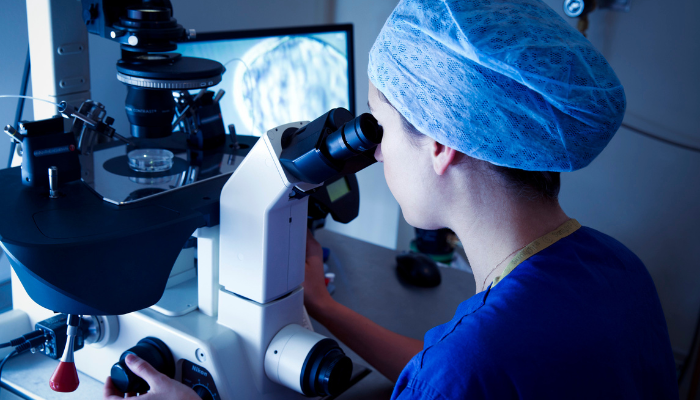
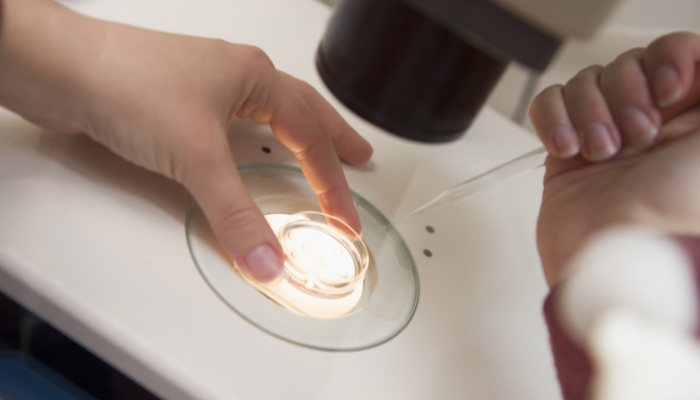
On the same day as egg retrieval, sperm is collected and prepared in the laboratory. The sample is washed and concentrated to separate high-quality motile sperm from other components of the ejaculate. That evening or the next morning, prepared sperm is mixed with mature eggs in culture dishes containing special culture medium. In conventional IVF, millions of sperm are exposed to each egg, and fertilization occurs naturally. In ICSI, a single sperm is injected directly into each egg under a microscope. The choice depends on sperm parameters.
Step 5: Embryo Development and Monitoring
After fertilization, embryos are maintained in an incubator at optimal temperature, pH, and gas composition. Embryo development is monitored daily. On day 1, fertilization is confirmed by the presence of two pronuclei (the genetic material from egg and sperm). On day 2-3, embryos are at 4-6 cell stage. On day 5-6, successful embryos reach blastocyst stage - a critical marker of viability. At Dr. Shitole's clinic, advanced laboratory protocols ensure optimal embryo development. Some patients opt for PGS (preimplantation genetic screening) to identify chromosomally normal embryos, which increases implantation rates and reduces miscarriage risk, particularly for women over 35.
Step 6: Embryo Transfer
Embryo transfer is scheduled on day 3 (cleavage-stage embryo) or day 5-6 (blastocyst transfer). The choice depends on the number and quality of embryos. Dr. Shitole typically recommends blastocyst transfer when multiple good-quality embryos are available, as this improves implantation rates and allows more selective transfer. During transfer, a thin catheter is passed through the cervix, and the embryo(s) are gently deposited into the uterine cavity. The procedure is painless and takes just a few minutes. Patients can return home immediately and resume normal activities, though some choose to rest for 24-48 hours.
Step 7: Luteal Phase Support and Pregnancy Test
After embryo transfer, hormone support is given to optimize the uterine environment for implantation. This typically includes progesterone supplementation (via injection, vaginal suppository, or tablet) for 10-12 days after transfer. Some patients also receive estrogen supplementation. The first pregnancy test is conducted 10-12 days after embryo transfer via blood test (measuring beta-hCG).
A positive test indicates successful implantation. A repeat test 48 hours later confirms that hormone levels are rising appropriately. Ultrasound confirmation of pregnancy location and heartbeat is performed around 5-6 weeks from the start of stimulation.
Who Needs IVF?
IVF is recommended for several fertility conditions. These include: tubal factor infertility (blocked, damaged, or surgically removed tubes), moderate to severe endometriosis affecting fertility, male factor infertility (low count, poor motility, or abnormal morphology, especially when ICSI is needed), unexplained infertility unresponsive to other treatments, ovulation disorders unresponsive to medical management, poor ovarian reserve or advanced maternal age, previous failed IUI attempts, and immunologic incompatibility. IVF is also used for couples with genetic disorders who want PGD (preimplantation genetic diagnosis) to avoid passing the condition to offspring.
Age is an important factor. Success rates decline with maternal age, particularly after age 35. For women over 40, IVF success rates are lower, but pregnancy is still possible. Dr. Shitole discusses age-related expectations during consultation and recommends strategies to optimize outcomes.
IVF Success Rates and Expectations
Success rates vary based on multiple factors, most importantly maternal age. In women under 35, success rates per cycle range from 40-50%. In women 35-37, rates are 30-40%. In women 38-40, rates are 20-30%. In women over 40, rates drop further to 10-20% per cycle, though cumulative success with multiple cycles improves overall odds.
Other factors affecting success include ovarian reserve, sperm quality, uterine abnormalities, and the cause of infertility. Couples with male factor, tubal factor, or endometriosis-related infertility often have better success rates than those with unexplained infertility or poor ovarian reserve.
Multiple cycles often improve outcomes. Some couples conceive on the first cycle, while others require 2-3 or more attempts. Cumulative success rates (proportion achieving pregnancy across multiple cycles) are significantly higher than single-cycle rates. Dr. Shitole discusses realistic expectations for your specific situation during consultation.
IVF Cost in Pune and Kharadi
IVF cost is a significant consideration for many couples. At Dr. Shitole's clinic in Pune, a single IVF cycle typically costs between ₹1 to ₹2.5 lakh, depending on several factors. The base cost includes initial consultation, hormone stimulation medications, ultrasound monitoring, egg retrieval, laboratory fertilization, embryo transfer, and follow-up care through pregnancy confirmation.
Factors that may increase cost include ICSI (if male factor infertility requires it), PGS/PGD testing, anesthesia for egg retrieval, and additional medications for ovarian hyperstimulation prevention. The clinic provides a detailed cost breakdown after initial evaluation so there are no surprises.
Comparable IVF cycles at other centers in Pune range from ₹80,000 to ₹3 lakh depending on the clinic and the specific case. Dr. Shitole's clinic aims to provide high-quality treatment at reasonable cost. The clinic also discusses payment plans to help couples manage the financial aspect of treatment.
Why Choose Dr. Shitole's Clinic for IVF in Pune?
Several factors make Dr. Shitole's clinic a preferred choice for IVF in Pune. First is expertise. Dr. Shitole has extensive training in IVF and a track record of successful outcomes. His fellowship in IVF and endoscopy from Ruby Hall Clinic (one of India's leading fertility centers) ensures he uses evidence-based, optimal protocols.
Second is individualization. Rather than applying a standard protocol to every patient, Dr. Shitole tailors protocols based on individual factors like age, ovarian reserve, and previous responses to stimulation. This personalization improves outcomes and reduces risks of overstimulation.
Third is laboratory excellence. The clinic's embryology laboratory is equipped with state-of-the-art incubators with continuous monitoring of temperature, pH, and gas composition. Embryologists are trained in advanced techniques. This ensures optimal embryo development.
Fourth is comprehensive support. Beyond the technical aspects of IVF, the clinic provides emotional support, counseling resources, and transparent communication about realistic expectations, risks, and benefits.
Fifth is location and convenience. IRSA FERTILITY- IVF & ENDOSCOPY CLINICis centrally located in Pune, making it accessible from surrounding areas. Patients don't need to travel to distant cities for any part of their IVF care.
IVF and Lifestyle: What to Expect
IVF requires 2-3 weeks of commitment from start to pregnancy confirmation. During ovarian stimulation, women typically attend the clinic 2-3 times for ultrasounds and blood tests. Daily hormone injections are self-administered at home (usually in the evening). Most women can continue work and normal activities during stimulation, though some experience bloating, mild cramping, or mood changes.
Egg retrieval requires taking 1-2 days off work due to anesthesia. Some women experience mild cramping or spotting for a few days after retrieval. Embryo transfer is minimally invasive and doesn't require time off work.
During the two-week wait before the pregnancy test, some women experience symptoms like breast tenderness, bloating, or mood changes. These symptoms may be related to progesterone supplementation rather than pregnancy. Dr. Shitole recommends maintaining normal activity, avoiding strenuous exercise, and minimizing stress during this period.