Our Services -Best Laparoscopic & Hysteroscopic Surgery clinic in Pune
Laparoscopic and hysteroscopic surgeries are minimally invasive gynaecological procedures using small cameras and instruments to treat fibroids, endometriosis, ovarian cysts, and tubal blockages with faster recovery and less pain than traditional surgery.
What Are Laparoscopic and Hysteroscopic Surgeries?
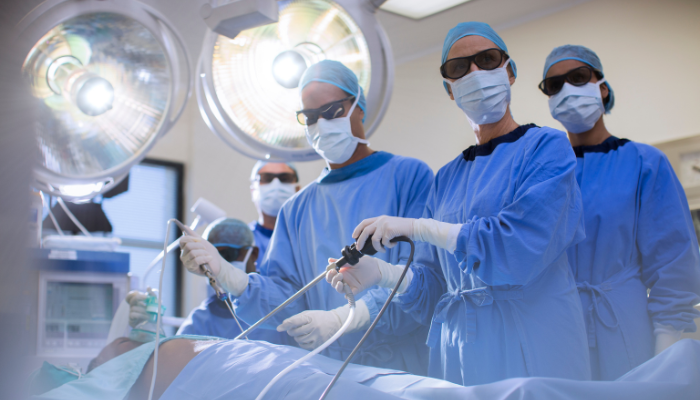
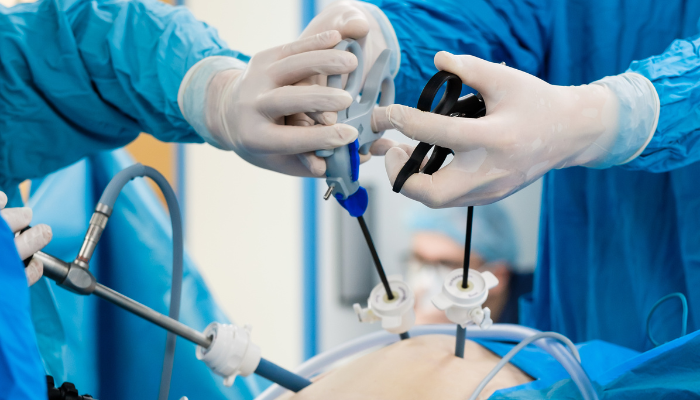
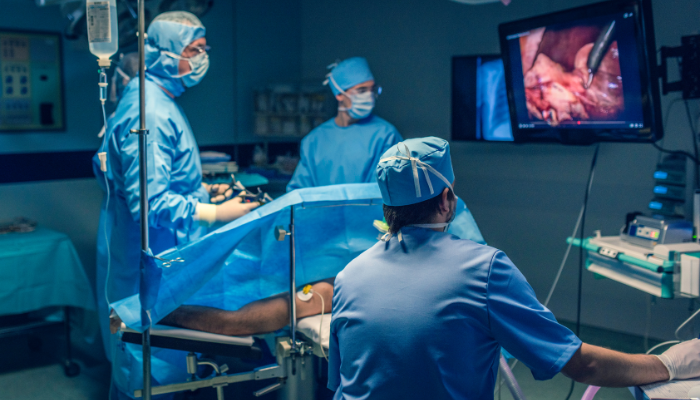
Laparoscopic and hysteroscopic surgeries represent a significant advancement in gynaecological care, offering women in Kharadi nearby area and Pune access to precision procedures with minimal trauma to the body. Laparoscopy involves inserting a thin, lighted tube (laparoscope) through a small incision near the navel, allowing the surgeon to view the pelvic organs on a monitor.
Through one or two additional small incisions, specially designed instruments perform the required procedure. Hysteroscopy takes a different approach: the surgeon passes a thin telescope through the cervix into the uterus, allowing direct visualization and treatment of intrauterine pathology without external incisions.
At Dr. Rajendra Shitole's clinic in IRSA FERTILITY- IVF & ENDOSCOPY CLINIC, Kharadi, these techniques are performed with the highest precision. Unlike traditional open surgery, which requires a large abdominal incision, these minimally invasive approaches preserve tissue, reduce bleeding, and minimize post-operative pain.
Dr. Shitole's advanced training at World Laparoscopy Hospital in Gurgaon - where he topped the national and international fellows' examinations - ensures you receive surgery at the highest technical standard. These procedures are performed as day surgeries or with minimal overnight stay, allowing you to return to your normal activities within 1-2 weeks rather than the 6-8 weeks needed after open surgery.
Conditions Treated with Laparoscopic Surgery
Laparoscopic surgery in Pune addresses a wide range of gynaecological conditions that previously required major surgery. Uterine fibroids (benign tumours in the uterus) can be removed through myomectomy, preserving your uterus for future pregnancies. Endometriosis, where tissue similar to the uterine lining grows outside the uterus causing severe pain and infertility, is effectively managed through laparoscopic excision. Ovarian cysts, whether simple, complex, or causing symptoms, can be evaluated and treated appropriately - ovarian cystectomy preserves ovarian tissue when possible.
Tubal blockage from adhesions or scarring, a common cause of infertility affecting women in the Pune region, can be assessed and often cleared. Pelvic adhesions from previous surgery, infections, or endometriosis are carefully lysed to restore normal anatomy and function. Ectopic pregnancies (implantation outside the uterus) require urgent treatment, and laparoscopy allows safe removal with preservation of the fallopian tube when possible.
Ovarian drilling for polycystic ovary syndrome (PCOS) is another procedure Dr. Shitole performs, which can restore regular ovulation in selected patients. At IRSA Fertility - IVF & Endoscopy Clinic, Kharadi, Pune, the complete range of laparoscopic treatments is available with state-of-the-art equipment and full support infrastructure.
Hysteroscopic Procedures and Their Applications
Hysteroscopic surgery offers direct treatment of conditions affecting the uterine cavity, which laparoscopy cannot reach. Uterine septum - a condition where the uterus has an internal dividing wall - is treated through hysteroscopic septum resection, significantly improving fertility outcomes in women with recurrent miscarriages. Uterine polyps, benign growths that can interfere with conception and cause abnormal bleeding, are safely removed under direct visualization.
Submucosal fibroids (fibroids growing into the uterine cavity) are resected hysteroscopically, often in a single procedure, restoring normal uterine cavity shape. Intrauterine adhesions (Asherman's syndrome), where scar tissue forms inside the uterus often after curettage or infection, are carefully divided to restore the uterine cavity and normal menstrual function. Retained products of conception after miscarriage or abortion can be evaluated and removed precisely. Abnormal uterine bleeding from various causes can be diagnosed and sometimes treated hysteroscopically.
Dr. Shitole combines laparoscopic and hysteroscopic approaches in complex cases, offering comprehensive diagnosis and treatment in one procedure. Women in Pune appreciate the accuracy and safety of these techniques compared to traditional approaches, with significantly less bleeding, fewer complications, and faster recovery times.
The Benefits of Minimally Invasive Surgery
Choosing laparoscopic or hysteroscopic surgery over open surgery offers numerous advantages that make a real difference in your recovery experience. The primary benefit is reduced trauma - small incisions mean less pain, reduced need for strong pain medications, and better sleep during recovery. Most patients manage their post-operative discomfort with over-the-counter pain relief. Hospital stay is minimal or eliminated; many procedures are same-day surgeries at IRSA FERTILITY- IVF & ENDOSCOPY CLINIC Hospital,Kharadi,Pune allowing you to recover at home in familiar surroundings.
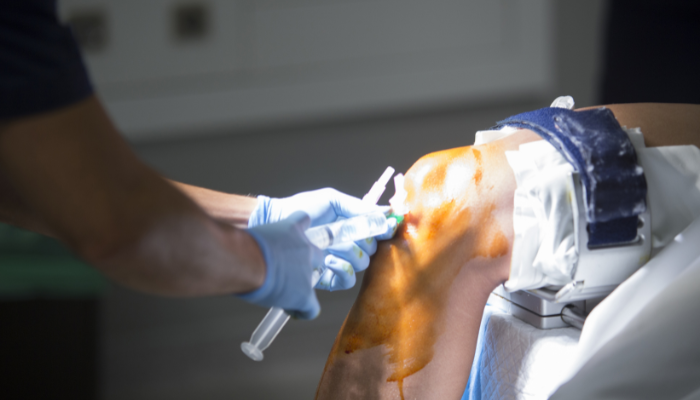
Return to normal activities happens quickly - light activities within 1 week, full activity within 2-3 weeks compared to 6-8 weeks after open surgery. Reduced bleeding and blood loss means lower risk of anemia and often no need for blood transfusion. Reduced infection risk occurs due to minimal tissue trauma and smaller wound surfaces. Improved cosmetic outcome with tiny scars (often barely visible) matters to women of all ages. For women planning future pregnancies, the benefit of intact, minimally traumatized uterine tissue cannot be overstated.
The likelihood of post-surgical adhesions is dramatically lower with laparoscopic compared to open approaches, preserving fertility. Dr. Shitole's expertise, honed through fellowship training and his distinction as a nationally ranked minimal access surgeon, ensures optimal outcomes. His use of advanced energy sources and meticulous surgical technique further minimize tissue damage and accelerate healing.
Dr. Shitole's Advanced Training in Minimal Access Surgery
Dr. Rajendra Shitole's exceptional credentials in laparoscopic and minimal access surgery set a high standard for patients in Pune and surrounding areas. His formal training includes a Diploma and Fellowship in Minimal Access Surgery from World Laparoscopy Hospital, Gurgaon - an internationally recognised institution - where he notably topped the examinations among all national and international fellows.
This achievement reflects not just technical mastery but also comprehensive knowledge of surgical principles, anatomy, and patient safety. His certification in robotic surgery from the same institution and from Amrita Institute of Medical Sciences, Cochin, provides additional advanced surgical capabilities. These qualifications build upon his strong foundation of MBBS, DGO (Obstetrics & Gynaecology) from BJ Govt. Medical College and Sassoon General Hospital in Pune, and DNB in Obstetrics & Gynaecology from Sanjay Gandhi Memorial Hospital in New Delhi.
With 11 years of clinical experience, Dr. Shitole has performed thousands of laparoscopic procedures, gaining the pattern recognition and problem-solving ability that comes only with extensive practice. He stays current with evolving techniques through continuous learning and international collaboration. For women in Kharadi,Pune choosing their gynaecological surgeon, Dr. Shitole's credentials represent the highest standard of expertise in minimally invasive surgery.
Recovery Timeline and What to Expect
Understanding the recovery process helps you prepare mentally and physically for your procedure at IRSA FERTILITY- IVF & ENDOSCOPY CLINIC. Immediately after laparoscopic or hysteroscopic surgery, as anesthesia wears off in the recovery room, you may feel drowsy and disoriented - normal effects that resolve within an hour. You may experience shoulder pain if CO2 gas was used for abdominal insufflation; this resolves within 24-48 hours as the gas is absorbed. The small incisions have minimal pain compared to open surgery, though you'll feel some tenderness and tightness.
Pain management starts immediately with prescribed medications, typically needed for 3-5 days before transitioning to over-the-counter options. Light vaginal bleeding or discharge is common for several days, especially after hysteroscopic procedures. During the first week, rest is important - avoid strenuous activity, heavy lifting, and sexual intercourse. You can usually bathe and engage in light activities around the house. The second week, as tenderness decreases, you can gradually increase activity. By week 2-3, most women return to light office work and daily activities.
Full return to exercise, gym, and heavy lifting occurs around week 4, though individual variation exists. In rare cases, certain procedures may require slightly longer restrictions. Dr. Shitole's team provides detailed written instructions and is available for any questions during recovery. Most importantly, the vast majority of patients report feeling significantly better by week 2, a dramatic difference from the prolonged recovery of open surgery.
Why IRSA FERTILITY- IVF & ENDOSCOPY CLINICis the Right Choice for Your Surgery
IRSA FERTILITY- IVF & ENDOSCOPY CLINIC, where Dr. Rajendra Shitole practices, combines several factors that make it an excellent choice for laparoscopic and hysteroscopic procedures. The facility features modern operating rooms equipped with high-definition laparoscopic towers and current-generation endoscopes, providing excellent visualization and safety. The hospital maintains strict protocols for sterilization and infection control, protecting you from surgical site infections.
Trained nursing and anesthesia staff are experienced in laparoscopic cases and understand the specific requirements of minimal access surgery. The clinic's location in Kharadi, Pune provides convenient access for residents across Pune and surrounding areas. Post-operative care includes private recovery areas and comfortable ward options depending on your preference and procedure complexity. The hospital's support services - laboratory, imaging, and blood bank - are available immediately if any unexpected issues arise.
Dr. Shitole's decision to practice at IRSA FERTILITY- IVF & ENDOSCOPY CLINICreflects his commitment to providing safe, high-quality care in an environment that supports his advanced surgical techniques. The combination of experienced surgeon, modern facility, trained staff, and comprehensive support services creates optimal conditions for successful, safe surgical outcomes. Women in Pune, Kharadi, and surrounding regions benefit from having access to this level of expertise locally rather than traveling to distant centres.