Best Intrauterine Insemination (IUI) clinic in Pune
IUI (Intrauterine Insemination) is an affordable fertility treatment where prepared sperm is placed directly into the uterus. At Dr. Shitole's clinic in Kharadi, Pune, IUI costs ₹10,000-₹20,000 per cycle and works well for unexplained infertility, mild male factor, and cervical issues.
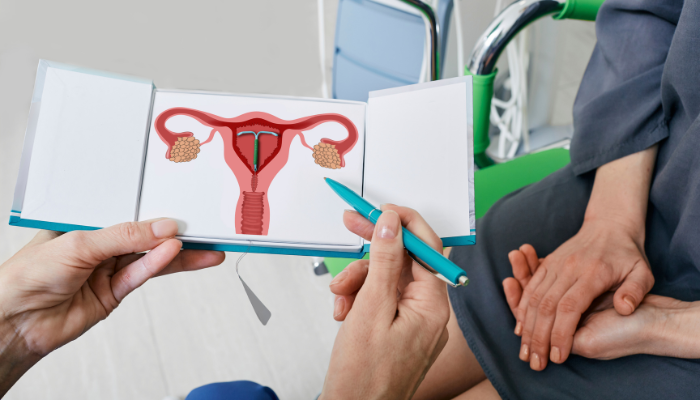
IUI Treatment in Pune – Affordable Intrauterine Insemination in Pune, Kharadi
For many couples, infertility treatment doesn't require the complexity and cost of IVF. Intrauterine Insemination (IUI) is a simpler, more affordable fertility procedure that can be remarkably effective for certain types of infertility. At Dr. Rajendra Shitole's clinic in Kharadi,Pune IUI is often recommended as a first-line treatment because it offers good success rates for appropriate candidates while maintaining lower cost, fewer medications, and minimal invasiveness.
IUI has helped thousands of couples in Pune and Kharadi achieve pregnancy. For couples with unexplained infertility, mild male factor, cervical issues, or those using donor sperm, IUI offers an accessible pathway to parenthood.
What Is IUI?
IUI stands for Intrauterine Insemination. The procedure involves placing specially prepared sperm directly into the uterine cavity at the time of ovulation. Instead of relying on sperm to travel through the cervix, through the uterus, and into the fallopian tubes (the natural route), IUI bypasses this journey by placing sperm already inside the uterus, just waiting for the egg.
The biological process from that point is natural - the egg is released from the ovary, travels down the fallopian tube, and encounters the sperm placed by IUI. Fertilization occurs naturally in the fallopian tube, and the resulting embryo travels to the uterus and implants naturally. IUI is sometimes called 'artificial insemination,' but this term can be misleading as it suggests the procedure is similar to IVF. In reality, IUI is much simpler and maintains natural fertilization - only the sperm delivery route is modified.


How Does IUI Work?
The IUI process is relatively straightforward. It begins with monitoring the woman's ovulation. This can be done by tracking natural cycles (watching for the LH surge that precedes ovulation) or by using mild hormone stimulation to trigger ovulation at a specific time.
On the day of ovulation, sperm is collected and prepared in the laboratory. The semen sample is washed to remove seminal fluid and concentrated to isolate high-quality motile sperm. This washing and concentration step is important because seminal fluid, if left in place, can trigger uterine cramping and reduce IUI success.
Using a thin catheter passed through the cervix, the prepared sperm is gently placed directly into the uterine cavity. The procedure is painless and takes just a few minutes. There's no need for sedation or anesthesia. Women can return to normal activities immediately.
After IUI, the woman's natural ovulation and fertilization process takes over. If conception occurs, the embryo will implant in the uterus, leading to pregnancy. If not, menstruation occurs 10-14 days later, and if desired, another IUI cycle can be attempted.
Who Is a Good Candidate for IUI?
IUI works best for couples with specific types of infertility. These include unexplained infertility unresponsive to 3-4 cycles of timed intercourse, mild male factor infertility with borderline semen parameters, cervical factor infertility where cervical mucus is poor or hostile to sperm, ovulation disorders controlled with medication, endometriosis with minimal severity (deep infiltrating endometriosis reducing fertility through inflammation), and couples using donor sperm for male factor or genetic reasons.

IUI is less likely to succeed in cases of tubal blockage (because the egg cannot reach the sperm), severe male factor (where even after washing and concentration, insufficient sperm are available), severe endometriosis (where eggs are damaged), or poor ovarian reserve (where few eggs are available for fertilization).
Dr. Shitole evaluates your specific situation during consultation and recommends whether IUI is appropriate or whether IVF offers better chances. This honest assessment helps couples make informed decisions about their treatment plan.
IUI With and Without Ovulation Stimulation
IUI can be performed in natural cycles (without hormone stimulation) or with ovulation stimulation. In natural cycles, ovulation is monitored, and IUI is timed to the day of ovulation based on LH surge detection (urine test or blood test) or ultrasound evidence of imminent ovulation. Natural cycle IUI is simpler, less expensive, and involves no medication, but produces only one egg per cycle, limiting success rates.
With ovulation stimulation, mild hormones (typically clomiphene citrate or low-dose FSH) are used to stimulate the ovaries to produce multiple eggs. This increases the number of eggs available for fertilization and improves the odds of success. Most couples choose stimulated IUI because the improved success rates justify the additional medication cost and monitoring.
Dr. Shitole recommends the approach most suitable for your situation, discussing the pros and cons of each.
The IUI Procedure: Step-by-Step
Understanding the procedure helps demystify what can seem like an uncertain process. Here's what to expect during an IUI cycle.
Step 1: Ovulation Monitoring
In natural cycle IUI, ovulation is monitored without medication. The woman performs urine LH tests starting a few days before expected ovulation. When the LH surge is detected (indicating ovulation will occur in 24-36 hours), the clinic is notified. IUI is typically scheduled 24-36 hours after the LH surge.
In stimulated IUI, the woman takes medications (clomiphene citrate or FSH injections) for 5-10 days starting from day 3 of menstruation. Ultrasound monitoring (typically 1-2 scans) tracks follicle development. When follicles reach optimal size (18-20 mm), a trigger injection (usually HCG) is given to induce ovulation. IUI is scheduled 36 hours after the trigger injection.
Timing is crucial for IUI success. The procedure must be performed during the woman's fertile window (approximately 12-24 hours after ovulation).
Step 2: Sperm Collection and Preparation
On the day of IUI, semen is collected by masturbation into a sterile cup. The sample is allowed to liquefy (typically 15-20 minutes) before being processed. The laboratory washes the semen with special culture media to remove seminal plasma. The washed sperm is then centrifuged and concentrated, selecting the highest quality motile sperm for the procedure.
For couples using donor sperm, frozen donor sperm is thawed and prepared similarly. The entire sperm preparation process takes 30-60 minutes.
Step 3: The IUI Procedure
The woman lies on an examination table in a position similar to a gynecological exam. The doctor inserts a speculum to visualize the cervix, gently cleans the cervical area with a small amount of culture media, and removes the speculum.
A thin, soft catheter loaded with prepared sperm is passed through the cervical canal into the uterine cavity. Under transabdominal ultrasound guidance, the doctor confirms proper catheter placement and gently deposits the sperm into the upper portion of the uterine cavity. The catheter is withdrawn carefully.
The entire procedure is painless, though some women report mild cramping. The procedure takes only a few minutes. No anesthesia is needed. The woman can stand up immediately and return to normal activities. Many women return to work the same day.
Step 4: Post-IUI Care and Pregnancy Test
After IUI, some women are prescribed progesterone supplementation for 10-12 days to support the luteal phase and optimize conditions for implantation. However, not all doctors recommend this, as evidence is mixed.
The first pregnancy test is performed 10-14 days after IUI via blood test (measuring beta-hCG). A positive test indicates pregnancy. If negative, and if another cycle is desired, another IUI can typically be attempted the following month.
IUI Success Rates
IUI success rates vary based on age, diagnosis, and whether stimulation is used. For women under 35 with normal ovaries undergoing stimulated IUI, success rates per cycle range from 10-20%. For women 35-37, rates are 8-15%. For women over 40, rates drop to 3-8%. Multiple cycles improve cumulative success - after 3-4 cycles, approximately 50-60% of appropriate candidates achieve pregnancy.
These rates are lower than IVF success rates, which is why IUI is typically recommended for cases where fewer embryos are expected to form or where the female factor (egg quality or quantity) is likely to be less limiting.
Success rates are better in cases of male factor treated with IUI, unexplained infertility, and ovulation disorders. Success rates are worse in cases of tubal factor (making IUI inappropriate), severe endometriosis, or very poor ovarian reserve.
Dr. Shitole discusses realistic expectations during consultation, including cumulative success after multiple cycles and when to transition to IVF if IUI is unsuccessful.
IUI Cost in Pune
IUI is significantly more affordable than IVF, which is an important consideration for many couples. At Dr. Shitole's clinic in Kharadi,Pune, a single IUI cycle costs approximately ₹10,000-₹20,000, depending on whether stimulation is used and the specific medications needed.
This cost includes: initial consultation and evaluation, ultrasound monitoring (1-2 scans), medications if stimulation is used, sperm preparation and laboratory processing, the IUI procedure itself, and follow-up care. If donor sperm is used, there's an additional cost for the sperm (typically ₹5,000-₹15,000 depending on the bank and sperm quality).
Compare this to IVF cost of ₹1-2.5 lakh per cycle, and IUI's affordability is evident. For couples trying multiple cycles before progressing to IVF, IUI often represents the best use of limited financial resources.
IUI vs. IVF: When to Choose Each
Choosing between IUI and IVF is an important decision. Here's how to think about it:Choose IUI first if: you have unexplained infertility (failure to conceive despite normal testing), mild male factor infertility with reasonable sperm numbers and motility, cervical factor infertility, ovulation disorders controlled with medication, normal fallopian tubes confirmed, good ovarian reserve (normal AMH), or you're under 35 years old. IUI is also appropriate if you've had 3-4 natural cycles of timed intercourse without success and want to try a slightly more interventional approach before IVF.
Choose IVF if: you have tubal blockage or absent fallopian tubes, moderate to severe endometriosis, severe male factor infertility requiring ICSI, poor ovarian reserve (low AMH or age over 40), previous IUI failures (typically 3-4 failed cycles), or unexplained infertility in a woman over 40.
Dr. Shitole provides this guidance during consultation, explaining the reasoning and allowing couples to understand why a particular approach is recommended.
Dr. Shitole's Personalized IUI Protocols
Dr. Shitole's approach to IUI is characterized by careful patient selection, individualized protocols, and attention to the nuances of timing and technique. Rather than applying the same stimulation protocol to every patient, he considers factors like age, ovarian reserve, BMI, and previous response to medications.
For women with good ovarian reserve, he may use minimal stimulation to produce 2-3 follicles, reducing cost and risk while maintaining reasonable success. For women with low ovarian reserve or age over 35, he may use standard stimulation protocols.
The clinic emphasizes timing precision. The interval between trigger injection and IUI must be accurate. The clinic provides clear instructions on when to give the trigger injection and when to arrive for the procedure.
Dr. Shitole personally performs or closely supervises the IUI procedures, ensuring optimal technique and patient comfort. This hands-on approach contributes to the clinic's reputation and success rates.