Our Services -Best Fertility Preservation in Pune
Fertility preservation allows safeguarding reproductive potential before cancer treatment, medical procedures, or to delay parenthood. At Dr. Shitole's clinic in Kharadi, Pune, options include egg freezing, sperm banking, and embryo cryopreservation using advanced technology.
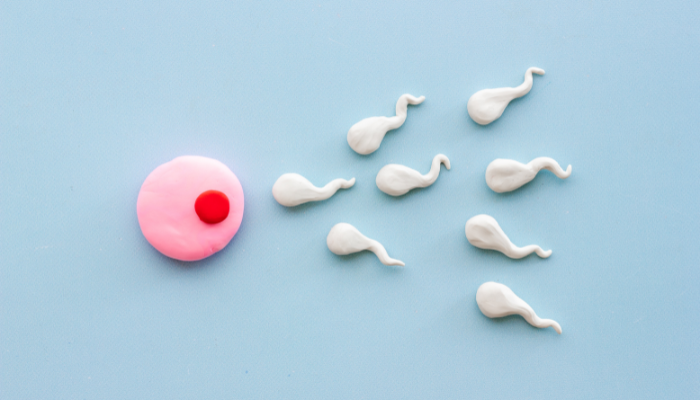
Fertility Preservation in Pune – Egg Freezing & Sperm Banking in Kharadi,Pune
Life circumstances change, and sometimes the timing for parenthood doesn't align with our biological clock. Cancer diagnosis may threaten fertility. Medical procedures may affect reproductive function. Or a woman may feel ready to focus on career while preserving options for motherhood later. In these situations, fertility preservation offers a way to safeguard reproductive potential for future use.
Fertility preservation encompasses several techniques: egg freezing (oocyte cryopreservation), sperm banking, and embryo cryopreservation. At Dr. Rajendra Shitole's clinic at IRSA FERTILITY- IVF & ENDOSCOPY CLINIC Hospital in Kharadi,Pune, these services are available using modern freezing technology and careful protocols to maximize viability of preserved gametes and embryos.
What Is Fertility Preservation and Why Is It Important?
Fertility preservation is the process of storing eggs, sperm, or embryos for future use. The primary reason for fertility preservation is to protect reproductive potential before it may be compromised.
For women, fertility declines with age. Women are born with about 1-2 million eggs. This number decreases throughout life, and by age 35, approximately 400,000 eggs remain. More importantly, egg quality declines significantly with age. A woman's fertility at 40 is substantially less than at 30. For women facing cancer treatment, this represents an opportunity to preserve young, high-quality eggs before chemotherapy or radiation destroys ovarian function.
Similarly, cancer treatment in men can affect sperm production, sometimes permanently. Sperm banking before treatment allows men to father biological children using stored sperm, even if treatment renders them unable to produce sperm afterward.
Beyond cancer, fertility preservation is increasingly chosen by young professionals - particularly women - who feel unprepared for parenthood but want to maintain options for biological parenthood when circumstances are more favorable.
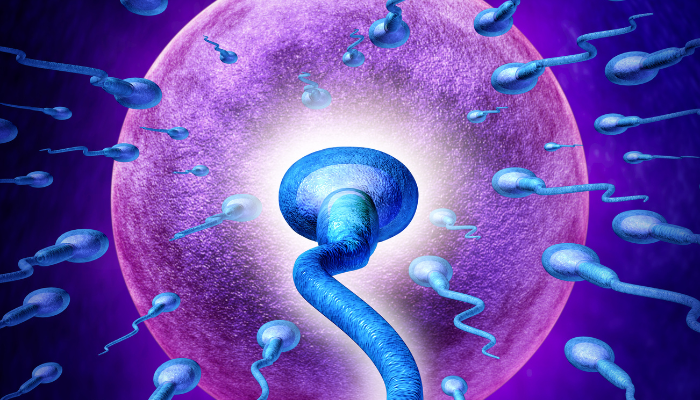
Who Should Consider Fertility Preservation?
Several groups benefit from fertility preservation. Cancer patients represent an important group. Women diagnosed with breast, ovarian, uterine, cervical, or hematologic cancers should consider egg freezing before chemotherapy or radiation, which can damage eggs or cause premature ovarian failure. Men diagnosed with testicular, prostate, lymphoma, or other cancers should consider sperm banking before chemotherapy or radiation.
Women undergoing medical procedures that may affect fertility should consider egg freezing. Examples include removal of ovaries due to ovarian cysts or tumors, hysterectomy, or treatment for severe endometriosis.
Young women focused on education or career who feel unprepared for parenthood but want to maintain options for biological motherhood later - sometimes called 'social freezing' - increasingly choose egg freezing. This allows women to pursue goals without the pressure of biological clock concerns.
Women with poor ovarian reserve or entering their late 30s who are not yet in circumstances to pursue pregnancy may choose egg freezing to preserve eggs while quality is still reasonable.
Couples undergoing IVF who produce excess embryos may choose to freeze the extra embryos for future use, avoiding the need for repeat IVF cycles if they want additional children.
Egg Freezing (Oocyte Cryopreservation)
Egg freezing has revolutionized women's fertility options. The technology has improved dramatically in recent years, and frozen eggs now have survival rates approaching 90% and thaw survival rates of 85-90%.
The egg freezing process is similar to the early steps of IVF. The woman undergoes ovarian stimulation with hormone injections to produce multiple eggs. Ultrasound monitoring ensures appropriate follicle development. When follicles reach optimal size, a trigger injection is given, and eggs are retrieved via a minimally invasive needle aspiration procedure under sedation.
The retrieved eggs are assessed for maturity. Only mature eggs (metaphase II oocytes) are suitable for freezing. Mature eggs are then rapidly frozen using a technique called vitrification, which prevents ice crystal formation that could damage the egg. Frozen eggs are stored in liquid nitrogen at -196 degrees Celsius in specially designed cryopreservation tanks. They can be stored indefinitely without degradation.

When the woman is ready to pursue pregnancy, frozen eggs are thawed. Most eggs (approximately 85-90%) survive the thaw process. Thawed eggs are fertilized using IVF or ICSI, and resulting embryos are transferred into the uterus. Pregnancy rates with thawed eggs are comparable to fresh eggs in younger women, though slightly lower in older women.
Advantages and Considerations of Egg Freezing
Egg freezing offers significant advantages. It allows women to preserve eggs while young and of higher quality, improving future pregnancy chances compared to attempting pregnancy at an older age. It removes the pressure of biological clock concerns, allowing women to focus on education, career, or finding the right partner without fertility concerns.
For cancer patients, egg freezing before chemotherapy can mean the difference between potential biological parenthood and permanent infertility. For women with low ovarian reserve, egg freezing while eggs are still available preserves options that might otherwise disappear within a few years.
However, egg freezing does involve hormone stimulation, which carries minimal risks but potential side effects including bloating, mood changes, and rare ovarian hyperstimulation. The egg retrieval procedure, while minimally invasive, carries very small risks of infection or bleeding. The cost of egg freezing (typically ₹80,000-₹1.5 lakh per cycle for egg retrieval and freezing) is significant for many women.
Sperm Banking
Sperm banking is straightforward compared to egg freezing. Men produce sperm continuously throughout life. Sperm banking involves collecting semen, processing it to concentrate motile sperm, and freezing it in small aliquots using cryoprotectants that prevent ice crystal damage.
Frozen sperm can be stored indefinitely in liquid nitrogen. When ready to use, sperm is thawed. For fertile men, approximately 50% of sperm survive thawing and maintain motility. Even though 50% are lost, this is usually sufficient for IUI or IVF/ICSI.
Sperm banking is recommended for men facing cancer treatment that might damage sperm production (chemotherapy, radiation, surgery affecting the testicles), men undergoing vasectomy who want to preserve options for future biological parenthood, or men with medical conditions that might affect fertility in the future.
Advantages and Considerations of Sperm Banking
Sperm banking is simple, quick, and low-risk. Collection is by masturbation into a sterile cup in the privacy of a collection room. Processing and freezing takes hours. There are no injections, procedures, or medical risks associated with sperm banking from the man's perspective.
Cost is also very reasonable, typically ₹2,000-₹5,000 per initial collection and freezing, plus annual storage costs of ₹1,000-₹2,000. This is far less expensive than egg freezing.
The main consideration with sperm banking is that the man must be comfortable with the requirement to produce a semen sample via masturbation. Cultural or religious concerns sometimes make this difficult. Dr. Shitole's clinic maintains confidentiality and provides privacy to address these concerns. For men where masturbation is not possible, sperm can sometimes be retrieved surgically from the epididymis or testicle, though this is more complex.
Embryo Cryopreservation
When couples undergo IVF, excess good-quality embryos may be produced beyond those needed for immediate transfer. Rather than discarding these embryos, they can be frozen for future use. This avoids the need for repeat IVF cycles with all their attendant costs, hormones, and procedures.
Embryos are frozen at the blastocyst stage (day 5-6), when they're most suitable for cryopreservation. The freezing process is similar to egg or sperm freezing, using vitrification technique. Frozen embryos can be stored indefinitely. When ready to use, they're thawed and transferred into the uterus, typically in a natural cycle or a cycle with hormonal support to optimize receptivity.
Thaw survival rates for embryos are high (typically 80-90%), and implantation rates are comparable to fresh embryos. For couples who have achieved pregnancy and want additional children later, frozen embryo transfer is often more cost-effective and less invasive than undergoing another complete IVF cycle.
The Egg Freezing Process in Detail
For women choosing egg freezing, understanding the detailed process is helpful for decision-making and managing expectations. Here's what the process entails.
Initial Consultation and Testing
Before egg freezing, a detailed consultation with Dr. Shitole addresses your reasons for freezing, expectations about the process, and the likelihood of successful pregnancy using frozen eggs in the future. Testing is performed to assess ovarian reserve (via AMH blood test and antral follicle count via ultrasound), hormone status, and infectdious disease screening. Age is the most important factor; success rates are best for women under 35.
Ovarian Stimulation Protocol
Dr. Shitole designs a personalized stimulation protocol based on ovarian reserve. Women with good ovarian reserve may receive standard doses of FSH. Women with low ovarian reserve may receive higher doses or combination protocols. Women with poor ovarian reserve might be candidates for mini-IVF with lower hormonal stimulation. Stimulation lasts 10-14 days, with ultrasound monitoring typically 2-3 times to track follicle development.
Trigger Injection and Egg Retrieval
When follicles reach optimal size, a trigger injection induces final egg maturation. Egg retrieval is performed 34-36 hours later via transvaginal aspiration under sedation. Typically, 10-20 eggs are retrieved, though this varies. All retrieved eggs are assessed for maturity, with mature eggs (metaphase II) being suitable for freezing.
Vitrification and Storage
Mature eggs are rapidly frozen using vitrification technique. This ultra-rapid freezing prevents ice crystal formation that would damage the egg. Eggs are stored in liquid nitrogen tanks with careful temperature and inventory monitoring. You receive documentation of eggs stored and access protocols for future use.
Fertility Preservation for Cancer Patients
Cancer diagnosis is often unexpected and demanding. When the diagnosis occurs during a woman's reproductive years, the realization that chemotherapy or radiation might destroy fertility can add emotional weight to an already stressful situation.
Fortunately, options exist. Egg freezing can often be performed quickly. Some chemotherapy regimens can be delayed 10-14 days to allow time for ovarian stimulation and egg retrieval. Other cases require faster action, and in these situations, natural cycle egg freezing or abbreviated stimulation protocols can retrieve eggs within 3-5 days.
Dr. Shitole is experienced in working with oncology colleagues to coordinate egg freezing before cancer treatment. He understands the urgency and the emotional context, and will work to accommodate timelines that allow fertility preservation before critical cancer treatment begins.
For cancer survivors who have banked eggs or sperm, those genetic materials remain available for decades, allowing the possibility of biological parenthood years after cancer treatment, when health has been restored and circumstances are favorable.
Fertility Preservation Cost
Cost is an important consideration in fertility preservation. Egg freezing at Dr. Shitole's clinic typically costs ₹80,000-₹1.5 lakh for the stimulation, monitoring, retrieval, and freezing of eggs in a single cycle. If multiple cycles are desired to accumulate more frozen eggs, the cost multiplies. Storage costs are typically ₹1,000-₹2,000 per year.
Sperm banking is significantly less expensive at ₹2,000-₹5,000 for initial collection and freezing, plus ₹1,000-₹2,000 annual storage.
Embryo freezing (when done as part of IVF) adds ₹10,000-₹20,000 to the IVF cycle cost.
For cancer patients, some insurance plans may cover fertility preservation before cancer treatment. Dr. Shitole's clinic can assist with documentation needed for insurance claims. Several nonprofits also offer financial assistance to cancer patients pursuing fertility preservation. The clinic staff can provide information about available resources.
Using Frozen Eggs: Process and Timeline
When a woman with frozen eggs is ready to pursue pregnancy, the frozen eggs are thawed and used for IVF. The process begins with a consultation to assess readiness, discuss realistic expectations based on egg age and number, and plan the cycle.
Frozen eggs are thawed on the morning of intended fertilization. Typically, 85-90% survive the thaw process. These thawed eggs are fertilized using conventional IVF or ICSI, depending on sperm quality. Embryos are cultured and transferred 3-5 days later. The process from thaw to pregnancy confirmation takes approximately 3-4 weeks.
Success rates with frozen eggs depend primarily on the age of the eggs at the time of freezing (not the woman's current age). Eggs frozen when a woman was 30 will have similar pregnancy success rates as fresh eggs from a 30-year-old would, even if the woman is now 45. This highlights the importance of freezing eggs while young.
Cumulatively, studies show that for women with adequate numbers of frozen eggs (typically 10-15 eggs), approximately 50-60% achieve at least one live birth using frozen eggs. This improves with more eggs frozen.
Social Egg Freezing and Delayed Parenthood
In recent years, an increasing number of young women without immediate fertility problems are choosing egg freezing to preserve options for future parenthood. This 'social freezing' has become more common among professionals in demanding careers, particularly in tech, medicine, law, and other fields where early career years are critical.
The reasoning is straightforward: freeze eggs while young and of high quality, allowing focus on career, relationships, and personal development without the pressure of biological clock concerns. If circumstances align for parenthood in the future, frozen eggs provide a way to have biological children without requiring a current partner or immediate life changes.
Dr. Shitole supports women in making this choice, providing detailed information about success rates, costs, and realistic expectations. He recognizes this as a legitimate use of fertility preservation technology that empowers women with choice and control over their reproductive futures.