Best Male Infertility Doctor in Pune in Kharadi
Male infertility affects 40-50% of infertile couples. Common causes include low sperm count, poor motility, hormonal imbalances, and varicocele. Treatment options range from lifestyle changes and medication to surgical sperm retrieval and ICSI, with success rates improving significantly with expert care.

Understanding Male Infertility and Its Causes
Male infertility is responsible for approximately 40-50% of cases of couple infertility, yet it remains significantly underdiagnosed and undertreated in many regions. When a couple has difficulty conceiving, thorough evaluation of both partners is essential, and the male factor should never be overlooked. Dr. Rajendra Shitole's comprehensive approach to infertility evaluation includes detailed male assessment, recognizing that addressing male infertility significantly improves couple outcomes.
The causes of male infertility are diverse and often multifactorial. Low sperm count (oligospermia) is the most common finding, where semen analysis shows fewer than 15 million sperm per millilitre - the threshold defined by the World Health Organization. Poor sperm motility (asthenospermia) occurs when sperm cannot move effectively, preventing them from reaching and fertilizing the egg. Abnormal sperm morphology (teratospermia) means a high percentage of sperm have structural abnormalities affecting their function. Some men have combinations of these findings (oligoasthenoteratospermia or OAT), indicating multiple impairments.
Azoospermia, the complete absence of sperm in ejaculate, affects approximately 1% of men and can result from obstruction or failed sperm production. Beyond these semen parameters, other factors affect male fertility. Varicocele, enlarged veins in the scrotum, is present in 15% of men generally but in 35-40% of infertile men, suggesting a causative relationship. Hormonal imbalances - low testosterone, elevated follicle-stimulating hormone (FSH), or other abnormalities - can impair spermatogenesis. Sexual dysfunction, including erectile dysfunction or ejaculation problems, affects fertility.
Genital infections, previous surgery, trauma, or retrograde ejaculation can all contribute. Lifestyle factors - smoking, excessive alcohol, heat exposure, stress, obesity, and sedentary lifestyle - significantly impact sperm quality. Environmental toxin exposure, medications, and certain medical conditions also play roles. A thorough evaluation in Pune or Kharadi identifies these causes, allowing targeted treatment.
Diagnostic Evaluation of Male Infertility
Proper diagnosis of male infertility requires systematic evaluation starting with detailed history and physical examination. Dr. Shitole's initial consultation includes questions about duration of infertility, sexual function, medical history, surgical history, medications, and lifestyle factors. Previous fertility assessments, prior semen analyses, and any previous treatments are reviewed. The physical examination includes general assessment, careful examination of the genitalia looking for size, consistency, and masses, palpation of the scrotum to identify varicocele, and assessment of secondary sexual characteristics.

Semen analysis is the cornerstone of male fertility evaluation. A sample is collected through masturbation after 2-5 days of abstinence and analyzed for volume, sperm concentration, motility (percentage moving forward), and morphology (percentage with normal shape). The WHO has updated normal values; modern standards use 5th edition criteria. If initial semen analysis is abnormal, it should be repeated after 2-3 months since spermatogenesis takes 74 days - a single abnormal result requires confirmation.
Advanced semen analyses including sperm DNA fragmentation, reactive oxygen species assessment, and specialized motility assessments can provide additional information about sperm quality. Hormonal evaluation includes serum testosterone, luteinizing hormone (LH), and follicle-stimulating hormone (FSH), assessed in the morning when levels are highest. If these are abnormal, additional testing may include prolactin, thyroid function, and other hormones. Imaging studies including scrotal ultrasound can identify varicocele, assess testicular volume, and identify obstruction.
Genetic testing including karyotype analysis and Y chromosome microdeletion screening is indicated in men with very low sperm counts or azoospermia. Comprehensive diagnostic evaluation identifies the underlying cause, guiding appropriate treatment in the Pune region.

Treatment Options for Low Sperm Count and Poor Motility
Once the cause of male infertility is identified, multiple treatment options are available, ranging from simple lifestyle modifications to advanced assisted reproductive techniques. Lifestyle modifications often provide meaningful improvement. Smoking cessation is particularly important - smoking significantly impairs spermatogenesis and reduces sperm motility. Limiting alcohol consumption improves hormone levels and sperm parameters.
Weight loss, if relevant, improves testosterone levels and sperm production. Increasing physical activity and cardiovascular fitness improves overall reproductive health. Stress reduction through relaxation techniques, exercise, or counselling improves hormonal balance and sexual function. Avoiding heat exposure to the scrotum (hot baths, tight clothing, prolonged computer work on lap) improves spermatogenesis. Ensuring adequate sleep, nutrition with sufficient zinc, selenium, and antioxidants supports sperm production. These lifestyle modifications, though simple, often produce measurable improvements within 2-3 months. Medical management includes treating identified hormonal abnormalities.
Low testosterone is treated with testosterone replacement therapy (if testes are functioning but not producing adequate testosterone) or medications stimulating endogenous testosterone production. Elevated FSH might benefit from certain medications. Infections are treated with appropriate antibiotics. Antioxidant supplements including coenzyme Q10, L-carnitine, zinc, and selenium sometimes improve semen parameters and are reasonably safe. Varicocele, when present and associated with abnormal semen analysis, is treated surgically.
Surgical management of varicocele typically involves ligation of the affected veins through open, laparoscopic, or microsurgical approaches. Varicocelectomy can improve semen parameters in 40-70% of men and improves pregnancy rates. When medical and surgical treatments don't produce adequate improvement, assisted reproductive techniques become necessary.
Surgical Sperm Retrieval Techniques
Men with azoospermia (no sperm in ejaculate) need specialized techniques to retrieve sperm for assisted reproduction. The first distinction is between obstructive and non-obstructive azoospermia. Obstructive azoospermia results from blockage of sperm ducts from previous vasectomy, infections, congenital absence of vas deferens, or other causes. Non-obstructive azoospermia results from failed sperm production within the testes due to hormonal, genetic, or idiopathic causes. Treatment differs significantly.
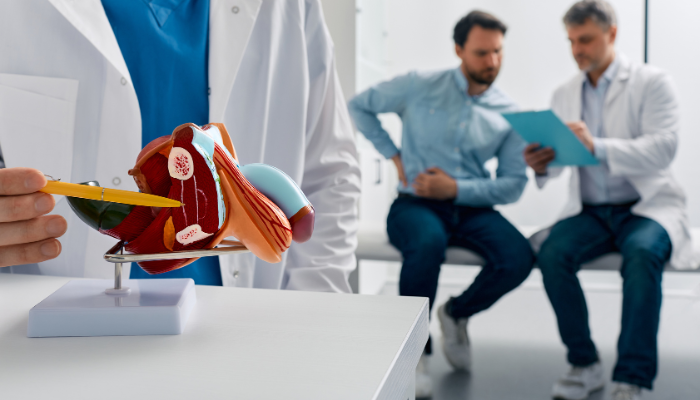
For obstructive azoospermia, microsurgical reconstruction (vasovasostomy or epididymovasostomy) aims to restore natural ejaculation of sperm. This is performed through open surgery under operating microscope magnification. Success rates depend on obstruction duration and location but typically range from 50-80% for successful reconstruction. Alternatively, sperm can be retrieved surgically for assisted reproduction. Percutaneous epididymal sperm aspiration (PESA) involves needle aspiration of the epididymis, a minimally invasive approach used in obstructive azoospermia.
Testicular sperm extraction (TESE) involves removal of small tissue samples from the testis to extract sperm. Multiple variations exist: micro-TESE uses operating microscope to identify areas of sperm production for targeted extraction, improving sperm retrieval rates. Testicular sperm extraction with microsurgical dissection (micro-TESE) is particularly valuable in non-obstructive azoospermia where sperm production is focal.
Mapping TESE involves multiple biopsies to identify productive areas. Percutaneous testicular fine needle aspiration (TESA) is a minimally invasive outpatient procedure. For men with ejaculation problems, electroejaculation or vibratory stimulation can retrieve sperm from the urethra. These retrieved sperm are used with ICSI (intracytoplasmic sperm injection) in IVF cycles. Dr. Shitole's expertise in reproductive surgical techniques ensures optimal sperm retrieval in men in Pune and surrounding areas.
How ICSI Helps in Severe Male Factor Infertility
Intracytoplasmic sperm injection (ICSI) has revolutionized treatment of severe male infertility. In conventional IVF, sperm and eggs are mixed in a culture dish, allowing natural fertilization. With ICSI, a single sperm is injected directly into the egg's cytoplasm using a micropipette under a high-power microscope. This bypasses many natural barriers to fertilization, allowing men with severely abnormal semen parameters to achieve biological fatherhood.
ICSI is indicated when the male partner has severe oligospermia (sperm count below 5 million per millilitre), severe asthenospermia (less than 20% motility), severe teratospermia (less than 4% normal forms), or any combination. Men with azoospermia and retrieved sperm benefit enormously - even a few retrieved sperm can fertilize multiple eggs through ICSI. In some cases, even immature sperm forms (spermatids) can occasionally fertilize through ICSI, though success is lower. ICSI requires high-quality laboratory facilities and experienced embryologists.
The procedure is performed 3-4 hours after egg retrieval, and sperm is injected into each mature egg. Fertilization is assessed the next morning - approximately 70% of injected eggs typically fertilize, though this varies based on egg and sperm quality. ICSI significantly improves fertilization rates in male factor cases - where conventional IVF might result in failed fertilization despite adequate sperm numbers, ICSI ensures sperm gets into the egg. The resulting embryos develop normally, and pregnancy and live birth rates per transferred embryo are comparable to conventional IVF.
At IRSA FERTILITY- IVF & ENDOSCOPY CLINIC, where Dr. Shitole practices, ICSI is available with excellent laboratory capabilities and success rates. Men in Pune with severe male factor infertility who might have felt hopeless in previous years now have excellent chances of biological paternity through ICSI and IVF.
Lifestyle and Medical Management Strategies
Comprehensive male infertility treatment extends beyond diagnosis and technical procedures to address lifestyle and broader health factors. Dr. Shitole's approach to male infertility includes detailed counselling about modifiable factors that impact semen quality and reproductive health. Nutrition plays a crucial role; men are counselled to ensure adequate protein intake, sufficient micronutrients including zinc (found in oysters, beef, pumpkin seeds), selenium (from Brazil nuts, fish, whole grains), vitamin E, vitamin C, and L-carnitine.
A Mediterranean-style diet with abundant vegetables, fruits, whole grains, and healthy fats supports reproductive health. Hydration - adequate water intake - supports semen volume and quality. Sleep is essential; poor sleep impairs testosterone production and spermatogenesis. Seven to eight hours of quality sleep nightly is recommended. Exercise improves overall health, weight management, and hormone levels, but excessive endurance exercise without adequate recovery can impair testosterone production. Moderate aerobic exercise and strength training are recommended. Stress management through exercise, meditation, yoga, or counselling helps; chronic stress impairs reproductive hormone production.
Sexual counselling might be needed if erectile dysfunction or other sexual issues affect couples' attempts at conception. Regular ejaculation through intercourse or masturbation improves semen parameters - contrary to older beliefs, frequency of ejaculation within 2-3 days of IVF or insemination is beneficial. Temperature management - avoiding hot baths, tight underwear, prolonged laptop use - supports testicular function. Environmental exposure reduction - avoiding toxins, pesticides, and excessive heat - protects spermatogenesis.
Medical optimization includes treatment of any chronic conditions (diabetes, hypertension) that affect reproductive function and review of medications that might impair fertility, with alternatives substituted when possible. Vitamin supplementation with appropriate micronutrients sometimes improves semen parameters in selected men. This comprehensive approach addresses the whole person, not just semen parameters, recognizing that reproductive health reflects overall health.
Breaking Stigma and Providing Compassionate Male Infertility Care
Male infertility remains deeply stigmatized in many cultures, including in the Pune and Kharadi region, where social expectations and masculine identity often become entangled with fertility. Men may feel shame, embarrassment, or loss of identity when confronted with infertility diagnosis. This stigma leads to underdiagnosis - men may not seek evaluation, and couples may not fully discuss the male factor even when identified.
Dr. Shitole's compassionate approach prioritizes creating a safe, judgment-free environment where men feel comfortable discussing reproductive health. His counselling addresses the emotional impact of male infertility diagnosis, normalizing that infertility affects many men and is a medical condition, not a reflection on masculinity or self-worth. The availability of effective treatments - from lifestyle modifications to advanced surgical and assisted reproductive techniques - provides hope and concrete pathways to biological paternity.
Involving male partners fully in fertility discussions improves outcomes; couples who understand the male factor work together more effectively on lifestyle modifications and treatment planning. Education dispels myths about male infertility and clarifies that many cases are treatable. Support networks, including couple counselling and patient groups, help men feel less isolated.
At IRSA FERTILITY- IVF & ENDOSCOPY CLINIC,Kharadi male infertility is treated with the same expertise and compassion as female infertility, recognizing that couple fertility requires attention to both partners. Men in Kharadi and surrounding areas deserve high-quality, compassionate male infertility evaluation and treatment, and Dr. Shitole's practice provides exactly this.