Female Infertility -Best Female Infertility Treatments clinic in Kharadi,Pune
Female infertility affects 10-15% of reproductive-age women. Common causes include PCOS, endometriosis, tubal blockage, age-related decline, and hormonal imbalances. Treatment ranges from lifestyle modifications and medication to advanced reproductive techniques, with success significantly improved through expert, personalized care.
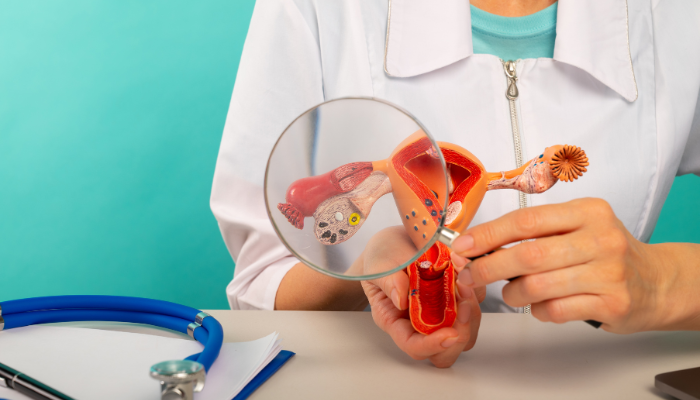
The Spectrum of Female Infertility Causes
Female infertility affects approximately 10-15% of women of reproductive age, with significant prevalence in the Pune and Kharadi region like elsewhere worldwide. Unlike male infertility, which primarily affects semen quality, female infertility stems from various causes affecting ovulation, egg quality, or reproductive tract structure. Understanding the cause is essential for appropriate treatment. Polycystic ovary syndrome (PCOS) is the most common cause of anovulation (failure to ovulate) and affects 5-10% of women of reproductive age.
Women with PCOS have irregular or absent menstrual periods, elevated androgens (male hormones), and characteristic ovarian appearance on ultrasound. PCOS presents a metabolic disorder affecting insulin resistance, hormone balance, and ovulation. Endometriosis affects 10-15% of women of reproductive age and approximately 30-50% of infertile women, making it a significant fertility barrier. This condition involves growth of uterine tissue outside the uterus, causing pain, inflammation, and ovarian/tubal damage.
Tubal pathology including blockage, adhesions, or scarring prevents sperm from reaching the egg or embryo from traveling to the uterus. Previous infections, endometriosis, pelvic inflammatory disease, or previous pelvic surgery are common causes. Age-related decline in fertility is often overlooked in younger women but increasingly important as women delay childbearing. Female egg quality dramatically declines after age 35, with miscarriage rates rising significantly.
Uterine abnormalities including septate uterus (partial internal division), unicornuate uterus (one horn), fibroids, adhesions (Asherman's syndrome), or adenomyosis affect pregnancy implantation and maintenance. Ovulatory dysfunction beyond PCOS includes hypothyroidism, hyperprolactinemia, and inadequate luteal phase. Diminished ovarian reserve - low egg quantity and quality - is increasingly recognized, particularly in women over 35 or with previous ovarian surgery.
Unexplained infertility, where standard evaluation reveals no apparent cause, affects 10-15% of couples. Female infertility is rarely from a single cause; often multiple factors contribute, and comprehensive evaluation addresses all factors in each woman's unique situation.
Diagnostic Workup for Female Infertility
Thorough diagnostic evaluation forms the foundation for successful female infertility treatment. Dr. Rajendra Shitole's systematic approach ensures no cause is missed. Initial history includes detailed menstrual history, previous pregnancies and outcomes, contraceptive use, sexually transmitted infections, pelvic pain, and general medical and surgical history. The physical examination includes general health assessment and pelvic examination looking for masses, tenderness, or structural abnormalities.
Transvaginal ultrasound provides detailed assessment of the ovaries, uterus, and pelvis. Ovarian assessment evaluates for PCOS (multiple small cysts), previous surgery effects, and ovarian reserve. Uterine assessment identifies fibroids, polyps, adenomyosis, or structural abnormalities. Free fluid in the pelvis might suggest endometriosis. Hormonal evaluation includes blood tests during the follicular phase (days 2-5 of the menstrual cycle) measuring FSH (indicating ovarian reserve), LH (elevated in PCOS), and testosterone. Thyroid function (TSH, free T4) is assessed since thyroid disorders affect fertility.
Prolactin is measured to exclude hyperprolactinemia. During the luteal phase, progesterone is measured to confirm ovulation. Anti-Müllerian hormone (AMH), which reflects ovarian reserve, is increasingly used to assess egg quantity. Hysterosalpingography (HSG) involves injecting contrast dye through the cervix while taking X-rays to visualize the uterine cavity and fallopian tubes, assessing for blockage or abnormalities. This procedure should be done in the follicular phase post-menstruation.
Hysteroscopy allows direct visualization of the uterine cavity and treatment of identified pathology - polyps, fibroids, septum, or adhesions. Laparoscopy provides definitive diagnosis of endometriosis, pelvic adhesions, or other pelvic pathology and allows simultaneous treatment. This procedure, performed under general anesthesia, is indicated when clinical suspicion of endometriosis or other pelvic disease is high.
Genetic testing including karyotype and fragile X carrier screening is indicated in certain cases. This comprehensive diagnostic approach in Pune identifies the causes of each woman's infertility, guiding personalized treatment.

PCOS: Diagnosis, Impact on Fertility, and Treatment
Polycystic ovary syndrome deserves special attention as the most common cause of anovulation in women in Kharadi, Pune and worldwide. PCOS is defined by Rotterdam criteria requiring two of three features: irregular or absent ovulation, elevated androgens (clinical or biochemical), and characteristic ovarian appearance (12 or more follicles of 2-9mm per ovary). PCOS involves insulin resistance and metabolic dysfunction; many women with PCOS have elevated insulin levels or true type 2 diabetes, though normal weight women with PCOS exist.
The metabolic features create a vicious cycle - insulin stimulates ovarian androgen production, which impairs follicle development and ovulation. Anovulation (failure to ovulate) is the primary fertility problem in PCOS. Without ovulation, pregnancy cannot occur. Additionally, PCOS increases miscarriage risk even when ovulation occurs, possibly from insulin resistance effects on the endometrium. Diagnosis requires meeting Rotterdam criteria plus excluding other causes of androgen excess. Treatment starts with lifestyle modifications - weight loss of 5-10% dramatically improves insulin sensitivity, restores ovulation, and improves pregnancy outcomes in overweight/obese women. Even normal-weight women benefit from increased physical activity and dietary improvements emphasizing low glycemic index foods.
Hormonal management includes metformin, a medication improving insulin sensitivity and often restoring ovulation without hormonal side effects. Many women ovulate regularly on metformin monotherapy. Combination oral contraceptives regulate menses and reduce androgen symptoms in women not actively trying to conceive. When ovulation induction is needed for conception, clomiphene citrate or letrozole stimulate follicle development and ovulation. Success rates are excellent - approximately 70-80% achieve ovulation, with 40-50% achieving pregnancy within 3-6 months.
Anti-mullerian hormone measurement helps identify women with adequate ovarian reserve for ovulation induction. More complex PCOS cases or those not responding to oral medications benefit from injectable gonadotropins (FSH/hCG) or assisted reproductive techniques including IVF. For women with PCOS in Pune, Dr. Shitole's expertise ensures appropriate step-wise approach starting with conservative measures before advancing to assisted reproduction.
Endometriosis and Its Impact on Fertility
Endometriosis, affecting up to 50% of infertile women, creates multiple fertility barriers beyond obvious pelvic disease. The condition involves growth of endometrial-like tissue outside the uterus, typically in the pelvis. This ectopic endometrium undergoes cyclic bleeding, inflammation, and scar tissue formation, disrupting normal pelvic anatomy. The inflammatory environment created by endometriosis impairs multiple steps of reproduction: sperm transport is impaired, egg release and pickup by the fallopian tube is disrupted, fertilization is reduced, and embryo implantation is hindered.
Endometriosis affects natural killer cell function and inflammatory markers, creating a hostile uterine environment for implantation. Mild endometriosis (minimal lesions without scarring) can sometimes be managed medically or with expectant management combined with natural conception attempts. Moderate to severe endometriosis with significant scarring, bowel involvement, or ovarian endometriomas requires surgical treatment. Surgical excision by laparoscopy or, for complex cases, robotic surgery, removes disease and improves fertility. However, surgery doesn't guarantee pregnancy; approximately 40-50% of women achieve pregnancy within one year of surgery. Medical management includes hormonal suppression through oral contraceptives, progestins, or GnRH agonists.
These suppress menstrual bleeding and reduce inflammation but don't permanently cure endometriosis. Medication is typically used for symptom control or post-surgical suppression rather than as sole fertility treatment. Many infertile women with endometriosis ultimately need assisted reproduction. IVF bypasses many of the fertility barriers created by endometriosis - eggs are directly retrieved, fertilized in the laboratory, and embryos transferred directly to the uterus. IVF success rates in endometriosis are lower than in other causes of infertility, but many women achieve pregnancy and successful outcomes.
Dr. Shitole's expertise in both surgical treatment of endometriosis and assisted reproduction provides comprehensive management for women in Pune with this challenging condition.
Tubal Factor Infertility and Treatment Options
Blocked, scarred, or damaged fallopian tubes prevent natural conception by preventing sperm-egg meeting or embryo passage to the uterus. Tubal factor infertility accounts for approximately 20-25% of female infertility. Causes include previous pelvic inflammatory disease (infection), endometriosis scarring, previous abdominal or pelvic surgery including appendectomy or Cesarean section, tuberculosis (more common in Indian populations), ectopic pregnancy (which often results in tube removal or scarring), or intrauterine procedures.

HSG identifies tubal blockage; however, HSG can produce false positive results from spasm or debris. If HSG shows blockage, hysterosalpingo-contrast sonography (HyCoSy) or laparoscopy confirms findings. Mild tubal damage with partial blockage might be treated with hysteroscopic cannulation and guidewire recanalization, allowing sperm passage. However, success rates are variable and best reserved for selected cases. More significant tubal disease traditionally required tube surgery (tubal reconstruction), which has become less common because of IVF's superior outcomes. IVF bypasses tubal disease entirely - eggs are directly retrieved from ovaries, fertilized outside the body, and embryos transferred to the uterus.
For tubal factor infertility, IVF success rates are excellent, often equal to or better than in other causes of infertility. A significant consideration: if both tubes are blocked or damaged, IVF is the necessary treatment for conception. If one tube is patent but the other blocked, natural conception is possible through the patent tube, but IVF is more reliable. Hydrosalpinx (fluid-filled damaged tube) reduces IVF success rates and is sometimes recommended for removal (salpingectomy) before IVF. For women in Pune with tubal factor infertility, Dr. Shitole provides comprehensive evaluation determining whether tubal reconstruction or IVF is most appropriate for each individual situation.
Age-Related Decline in Female Fertility
Female fertility follows a predictable age-related decline, most dramatically after age 35, increasingly recognized as critical information for family planning. This decline reflects both decreased egg quantity (lower number of remaining eggs) and decreased egg quality (increased chromosomal abnormalities). In the 20s and early 30s, women have abundant eggs and excellent egg quality; natural conception rates are 20-25% per cycle, and miscarriage rates are low (less than 10%). By age 35, fertility starts declining more noticeably.
At age 40, the monthly natural conception rate drops to 5%, and miscarriage risk increases to 25%. By age 45, conception becomes increasingly difficult; miscarriage rates exceed 50%. These age-related changes occur in all women, unrelated to lifestyle or health status - they reflect the finite number of eggs and their deteriorating quality with advancing age. The mechanism involves increased chromosomal abnormalities in eggs from older women, likely due to accumulated cellular damage and problems with egg division. This explains the dramatic increase in miscarriage with age - most miscarriages result from chromosomal abnormalities incompatible with development.
Testing for ovarian reserve through AMH, follicle-stimulating hormone, or antral follicle count helps assess remaining egg quantity, particularly in older women. Treatment of age-related fertility decline involves optimizing timing of intercourse around ovulation, ensuring adequate nutritional status, maintaining healthy weight, and avoiding smoking - factors that support reproductive health at any age. For women over 35 with infertility, escalating to assisted reproduction is often recommended. IVF with preimplantation genetic testing (PGT) allows selection of chromosomally normal embryos, improving implantation and reducing miscarriage risk in older women.
Egg banking (egg freezing) before age 35 is increasingly used by women planning to delay childbearing, preserving eggs at younger, higher quality age. For women in Pune who have delayed childbearing, Dr. Shitole provides realistic counselling about age-related changes and optimal treatment strategies.
Uterine Abnormalities and Reproductive Management
Structural abnormalities of the uterus, whether congenital (present from birth) or acquired (developed through disease or trauma), significantly impact fertility and pregnancy success. Congenital müllerian anomalies result from incomplete development of the reproductive tract during fetal life. Septate uterus, where a wall of tissue (septum) partially divides the uterine cavity, is the most common müllerian anomaly and significantly increases miscarriage risk - women with untreated septate uterus have miscarriage rates of 40-60%.
Hysteroscopic septum resection dramatically improves outcomes; miscarriage rates drop to 20-30% post-treatment. Diagnosis is made through 3D ultrasound or MRI imaging. Bicornuate uterus, where the uterus has two distinct horns, is usually managed expectantly; fertility is often preserved, though increased miscarriage and preterm birth risk exist. Unicornuate uterus, with only one horn, limits fertility but pregnancy and delivery are possible. Uterine agenesis (absent uterus) requires surrogacy for biological parenthood. Acquired uterine abnormalities include fibroids, adenomyosis, polyps, and adhesions. Fibroids (benign smooth muscle tumors) are extremely common, affecting 20-40% of women, but most don't affect fertility. Submucosal fibroids (projecting into the uterine cavity) impair implantation and are best removed hysteroscopically. Intramural fibroids (within muscle) generally don't require removal for fertility unless very large. Adenomyosis, where endometrial glands infiltrate the uterine muscle, affects implantation and pregnancy maintenance.
Treatment options are limited; medical management with progestins or GnRH agonists may help, but definitive treatment is hysterectomy - not an option for women wanting children. Some women with adenomyosis achieve pregnancy with IVF and careful support. Asherman's syndrome (intrauterine adhesions) results from uterine curettage, infections, or myomectomy. Severe adhesions obliterate the uterine cavity, preventing implantation. Hysteroscopic lysis of adhesions restores cavity and may restore fertility. For women in Pune with uterine abnormalities, Dr. Shitole's expertise in both diagnostic imaging and hysteroscopic treatment ensures optimal reproductive outcomes.
Emotional Support and Personalized Treatment Approach
Infertility carries profound emotional impact often underestimated in medical contexts. Women experiencing infertility frequently report depression, anxiety, grief, and identity disturbance. The monthly cycle of hope and disappointment, invasive procedures, and uncertainty about outcomes takes psychological toll. Cultural and social pressures, particularly in Indian culture emphasizing motherhood, intensify the emotional burden.
Dr. Shitole's approach recognizes infertility as both medical and emotional issue requiring comprehensive support. Personalized treatment planning means discussing realistic expectations, timeline, success rates, and options for each woman's unique situation rather than proposing standardized protocols. This shared decision-making approach empowers women, reducing sense of powerlessness that often accompanies infertility. Counselling support - individual or couple counselling - helps process emotions, improve coping, and address relationship stressors that often accompany infertility treatment.
Many couples benefit from fertility counselling, where trained professionals familiar with infertility provide specialized support. Patient education about procedures, timelines, and success rates reduces anxiety from unknown factors. Support groups - either in-person or online - connect women with others experiencing similar challenges, reducing isolation. Recognition that women with infertility deserve compassion, validation of their grief, and absence of judgment distinguishes excellent fertility care from merely technically competent care.
For women in Kharadi and Pune seeking female infertility treatment, Dr. Shitole's combination of clinical expertise and emotional awareness provides both the best possible medical care and the compassionate support that makes infertility treatment psychologically tolerable.